
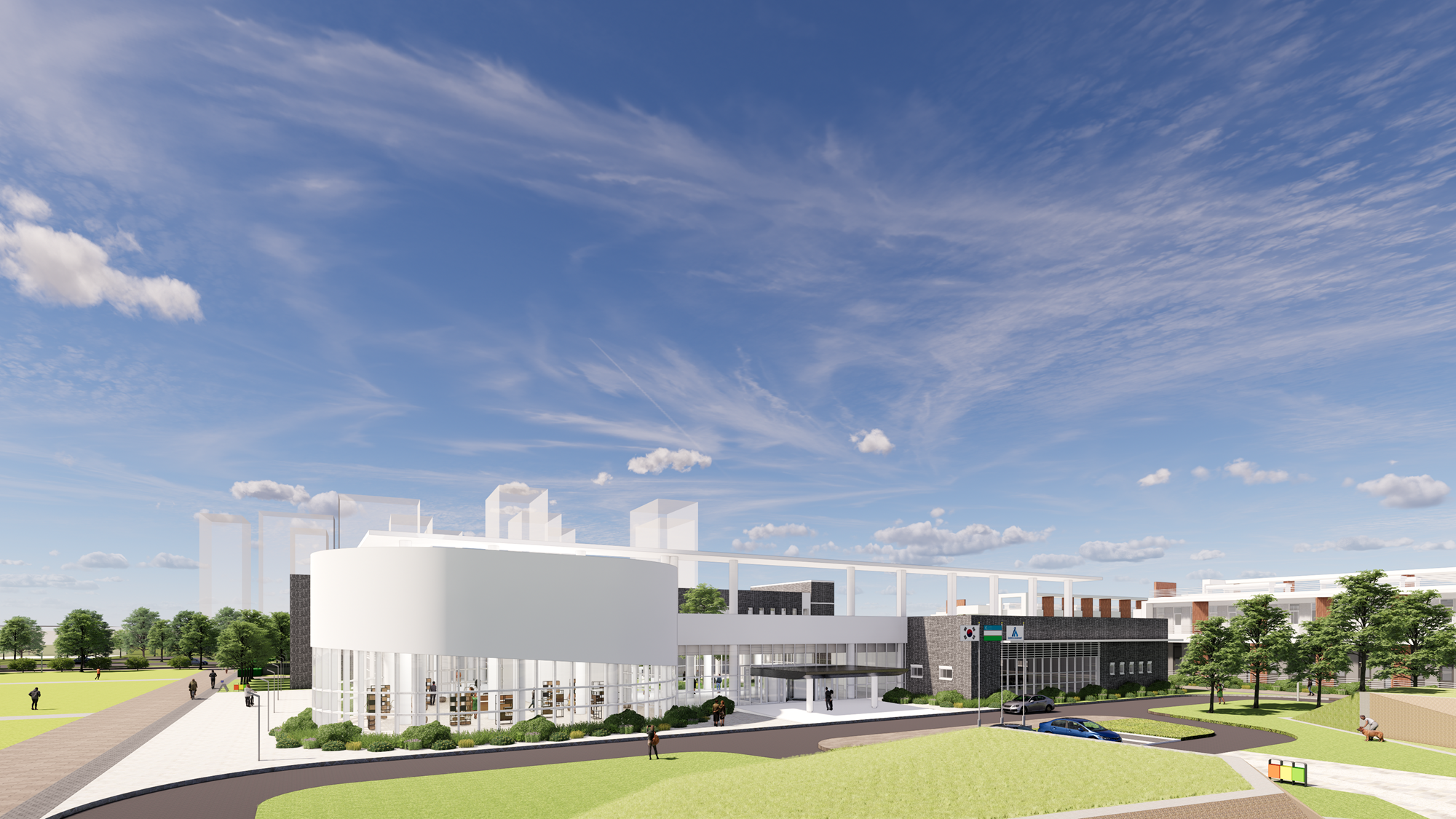
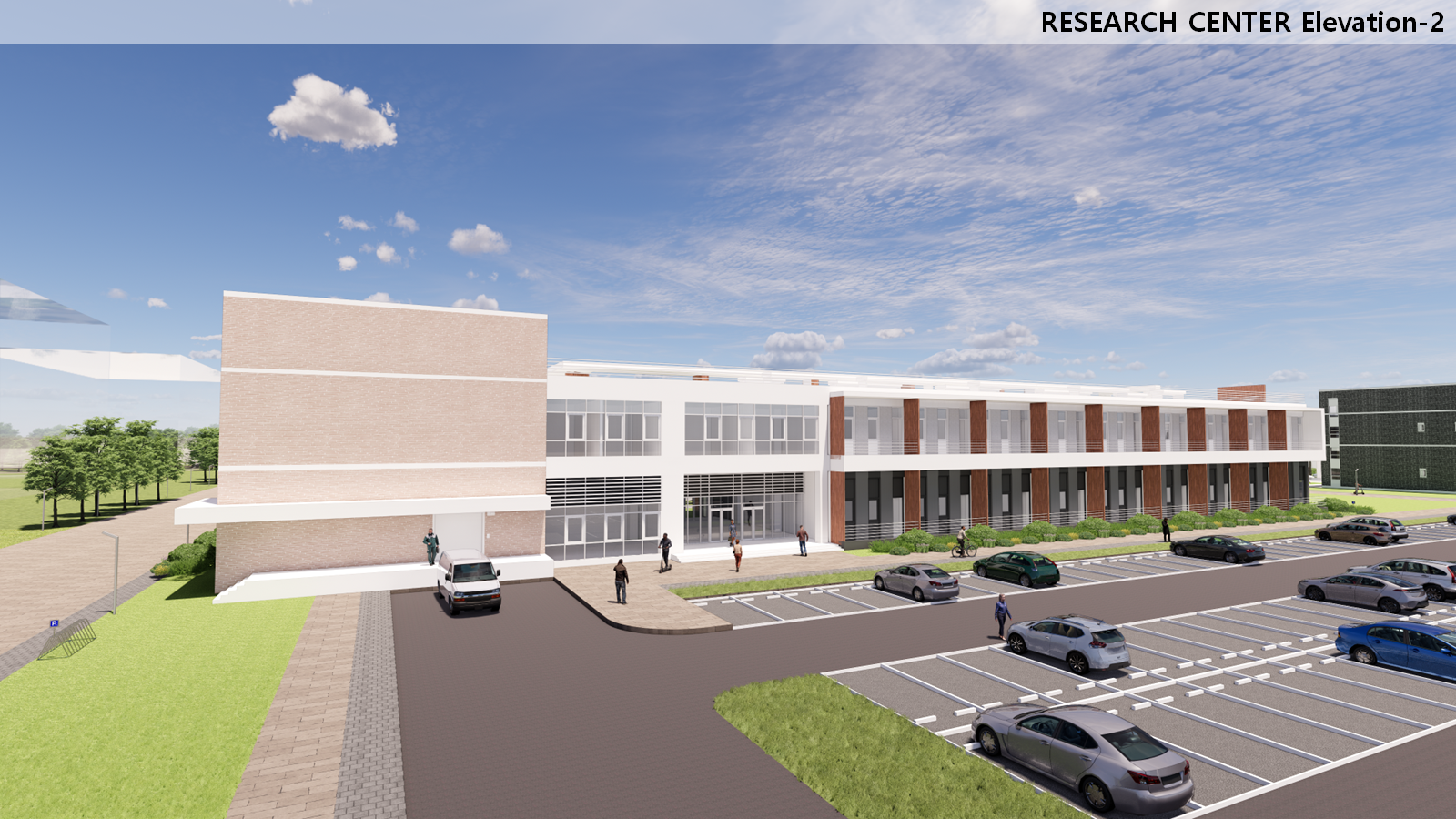
This project is aimed at implementing advanced scientific developments, developing modern chemical industry technologies, and ensuring efficient utilization of local raw material resources.
The center serves to adapt the scientific research experience and innovative approaches of the Republic of Korea to the conditions of Uzbekistan, develop new types of chemical products, optimize technological processes, and create high value-added solutions for industrial enterprises.
Within the framework of the center’s activities, scientific research, experimental and development works (R&D), pilot project development, startup support, and personnel training programs will be implemented. In addition, it is planned to strengthen cooperation with local and foreign investors to form new investment projects.
The main goal of the project is to increase scientific potential in the field of chemical technology in Uzbekistan, commercialize innovative developments, and develop the production of competitive chemical products.
At the same time, the center’s activities will be carried out in the following priority scientific areas:
Conducting scientific research in the field of gas and coal chemistry.
Deep analysis of chemical substances and implementation of modern analytical methods.
Development of sorbents and filtration materials.
Creation and improvement of highly efficient catalysts.
Synthesis of nanomaterials and their practical implementation.
Development of composite materials and expansion of their application areas.
Implementation Period
Annual R&D Projects
Pilot Projects
New Jobs
Implementation of 10–15 annual scientific research and experimental design projects, creation of new chemical products, materials and technologies, publication of articles in international and local scientific journals, and registration of patents and intellectual property objects.
Development and industrial implementation of at least 5–7 pilot projects, creation of production technologies for sorbents, catalysts, nanomaterials and composites, development of technological solutions for local industrial enterprises, and support for startup projects.
Increasing the production volume of import-substituting products, increasing revenues through high value-added products, attracting new investments, and establishing export-oriented production.
Creation of 50–100 highly qualified jobs, expansion of opportunities for young scientists and specialists to conduct research activities, and development of personnel training systems in cooperation with higher educational institutions.


Last updated at: May 25, 2026

© 2012-2026, Joint Stock Company "Uzkimyosanoat"
Website Terms and Conditions of Use